
“How Often Should I Take My Pet to the Vet for Checkups?”
What Every Pet Parent Should Know
Regular veterinary checkups are one of the most important—and often misunderstood—parts of responsible pet ownership. Many pet parents wonder, “How often should I take my pet to the vet for checkups?” Is once a year enough? Do indoor pets need the same care as outdoor ones? What about pets that seem perfectly healthy?
The truth is that veterinary care is not one-size-fits-all. The right checkup schedule depends on your pet’s age, species, lifestyle, and health history. Preventive visits can catch problems early, extend your pet’s life, and reduce long-term medical costs—without overdoing unnecessary appointments.
This guide explains how often pets should see a vet, why routine checkups matter, and what every pet parent should know to make confident, informed decisions.

Why Regular Vet Checkups Matter More Than You Think
Pets age faster than humans. A single year in a dog or cat’s life can be the equivalent of 4–7 human years, depending on size and breed. That means health changes can happen quickly—and silently.
Preventive Care Saves Lives
Routine veterinary exams allow vets to:
- Detect early signs of disease before symptoms appear
- Monitor weight, dental health, heart function, and mobility
- Keep vaccinations and parasite prevention up to date
- Identify behavioral or nutritional concerns early
Many serious conditions—such as kidney disease, diabetes, arthritis, and heart disease—develop gradually. Regular checkups can catch these issues early, when they are easier and less expensive to manage.
Pets Hide Illness Well
Animals instinctively mask pain and discomfort. By the time a pet shows obvious symptoms, a condition may already be advanced. Regular checkups help bridge that gap between “seems fine” and “actually healthy.”
How Often Should I Take My Pet to the Vet for Checkups?
The most accurate answer depends on life stage, species, and health status. Below is a general framework most veterinarians agree on.
Vet Checkup Frequency by Life Stage
Puppies and Kittens (Birth to 1 Year)
Recommended visits: Every 3–4 weeks until ~16 weeks old
Young pets require frequent vet visits because they are:
- Receiving core vaccinations
- Being dewormed and protected against parasites
- Growing rapidly and developing immune systems
These early visits also establish baseline health records and help socialize your pet to veterinary handling, reducing stress later in life.
What’s covered during early checkups:
- Vaccination schedules
- Nutrition guidance
- Growth and weight monitoring
- Behavioral questions
- Spay/neuter planning

Adult Pets (1–7 Years)
Recommended visits: Once per year
For most healthy adult dogs and cats, an annual wellness exam is sufficient. This is often what people think of when asking how often they should take their pet to the vet for checkups.
Annual exams typically include:
- Full physical examination
- Weight and body condition assessment
- Dental health evaluation
- Vaccine boosters (as needed)
- Parasite screening
- Lifestyle and behavior discussion
Even if your pet appears healthy, these yearly visits help track subtle changes over time.

Senior Pets (7+ Years, Earlier for Large Breeds)
Recommended visits: Every 6 months
Senior pets benefit from more frequent checkups because aging increases the risk of:
- Arthritis and mobility issues
- Kidney and liver disease
- Heart conditions
- Cognitive decline
- Cancer
Seeing a vet twice a year allows health changes to be caught months earlier than annual visits alone.
Senior checkups often include:
- Bloodwork and urine testing
- Blood pressure monitoring
- Joint and mobility assessments
- Pain management discussions
Does Species Matter? Vet Visit Frequency by Pet Type
Dogs
Most dogs follow the life-stage schedule above. However, factors like breed size, activity level, and chronic conditions may require adjustments.
- Large breeds often age faster
- Working or highly active dogs may need orthopedic monitoring
- Brachycephalic breeds may need respiratory evaluations
Cats
Cats often go to the vet less frequently—not because they need less care, but because they hide illness well and dislike travel.
Indoor cats still need annual checkups, even if they never go outside. Conditions like obesity, dental disease, and kidney issues are common in indoor cats.
Small Mammals (Rabbits, Guinea Pigs, Ferrets)
Recommended visits: Once per year (or every 6 months for seniors)
These pets are considered prey animals and hide illness exceptionally well. Regular checkups with an exotic-trained vet are essential.
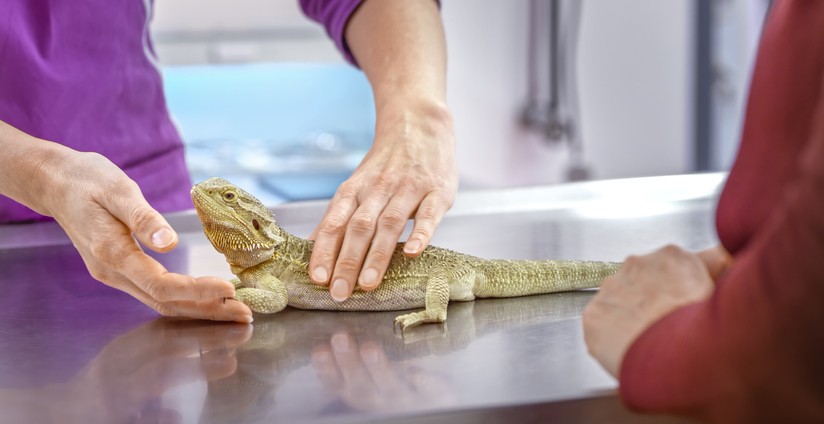
Birds and Reptiles
Recommended visits: Annually at minimum
Exotic pets have specialized needs. Early detection of nutritional deficiencies or environmental stressors can prevent life-threatening problems.

When Should Pets See the Vet More Often?
Some pets require more frequent checkups regardless of age.
Chronic Health Conditions
Pets with diabetes, heart disease, allergies, kidney disease, or arthritis often need:
- Regular monitoring
- Medication adjustments
- Periodic lab work
Weight Management Issues
Obesity affects a large percentage of pets and increases the risk of serious disease. Vets may recommend more frequent weigh-ins and progress checks.
Behavioral or Lifestyle Changes
Sudden changes in appetite, energy, mobility, or behavior should prompt an additional visit—even if your pet recently had a checkup.
What Happens During a Routine Vet Checkup?
Understanding what a checkup includes helps pet parents feel more confident and prepared.
Typical Components of a Wellness Exam
- Nose-to-tail physical exam
- Heart and lung evaluation
- Eye, ear, and dental inspection
- Skin and coat assessment
- Palpation of abdomen and joints
- Discussion of diet, exercise, and behavior
Your observations matter. Sharing even small changes you’ve noticed can help your vet spot issues early.
Common Myths About Vet Checkups
“My pet seems healthy, so we don’t need to go”
Many serious conditions show no outward symptoms in early stages. Regular exams are designed to catch hidden problems.
“Indoor pets don’t need regular vet visits”
Indoor cats and small pets still develop chronic diseases, dental issues, and obesity. Preventive care applies to all pets.
“Vet visits are only for vaccines”
Modern veterinary care focuses on overall wellness, pain prevention, and quality of life—not just shots.
How to Create the Right Vet Schedule for Your Pet
When deciding how often you should take your pet to the vet for checkups, consider:
- Age and breed
- Lifestyle (indoor vs outdoor)
- Existing health conditions
- Your vet’s recommendations
A good relationship with a trusted veterinarian ensures your pet’s care plan evolves as their needs change.
Final Thoughts: Prevention Is the Best Care
Routine veterinary checkups are one of the simplest ways to give your pet a longer, healthier, and more comfortable life. Whether you’re raising a new puppy, caring for an adult cat, or supporting a senior companion, knowing how often to take your pet to the vet for checkups empowers you to act early—not react late.
Your pet can’t tell you when something feels wrong—but regular vet visits can.