
“What Are the Best Natural Remedies for Pet Anxiety and Stress?”
What Every Pet Parent Needs to Know
Pet anxiety is more common than many pet parents realize. From separation stress to loud-noise phobias, changes in routine, vet visits, or even past trauma, our animals experience emotional challenges much like we do. And while behavioral training is always foundational, natural remedies for pet anxiety and stress can offer gentle, holistic support that promotes calm without heavy sedation.
This comprehensive guide explores the most researched, widely used, and veterinarian-endorsed natural approaches—along with how to use them safely and responsibly. You’ll also learn how to recognize the early signs of stress, understand when natural remedies are appropriate, and know when to seek professional help.
Understanding Pet Anxiety: Why Natural Remedies Can Help

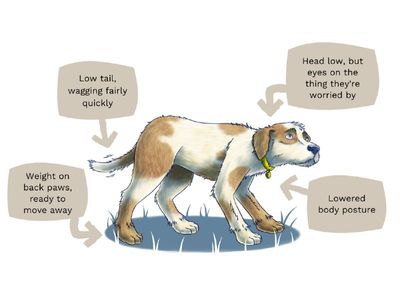
Pets communicate stress differently than humans. Early signs may include pacing, trembling, panting, hiding, destructive behavior, vocalizing, or changes in eating and toileting habits. When left unaddressed, chronic stress can lead to long-term behavioral and health issues.
Natural remedies offer benefits because they:
- Support the nervous system gradually and gently
- Can be combined with training and environmental changes
- Tend to have fewer side effects than pharmaceutical options
- Suit pets with mild to moderate anxiety or situational stress
They are not a cure, but a supportive toolkit every pet parent can understand and use wisely.
Top Natural Remedies for Pet Anxiety and Stress
Below are the most effective and commonly recommended natural remedies, organized by category. Each remedy focuses on calming the nervous system, reducing tension, and promoting emotional resilience.
1. Herbal Remedies and Botanical Supplements
Chamomile
Chamomile is widely known for its calming properties. In pets, it can:
- Reduce mild anxiety
- Ease digestive upset linked to stress
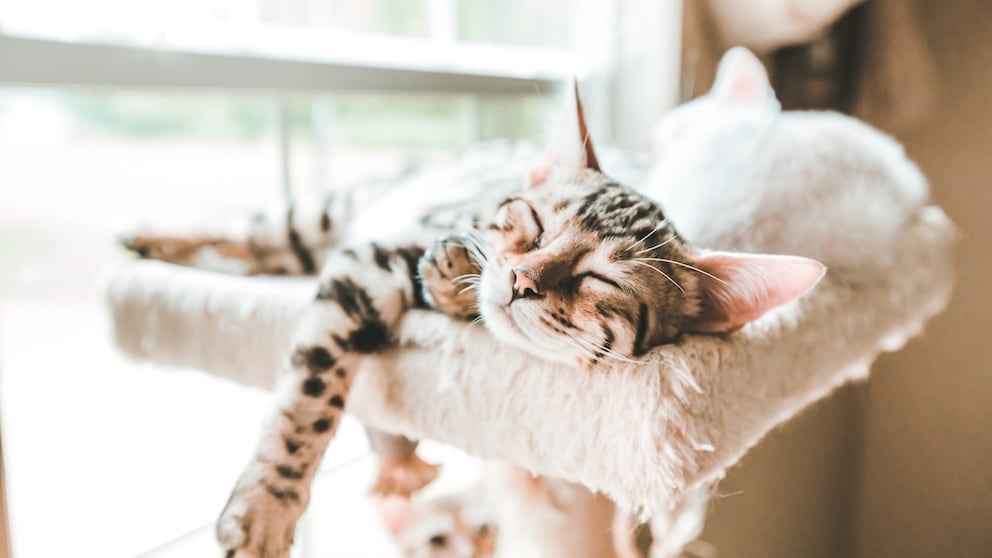
- Promote restfulness
Chamomile is generally well tolerated, but dosage matters—too much may cause stomach upset.
Valerian Root
Valerian root is a natural sedative that can help with:
- Noise phobias
- Night-time restlessness
- Situational anxiety such as travel or vet visits
It has a stronger effect than chamomile, so work with a vet to identify appropriate dosing.
Passionflower
A lesser-known botanical, passionflower supports:
- Generalized anxiety
- Hyperactivity
- Separation stress
It works by increasing levels of GABA, a neurotransmitter that regulates mood and relaxation.
CBD (Hemp-Derived Cannabidiol)
CBD is one of the most popular natural remedies for pet anxiety and stress today. Research suggests CBD may:
- Calm the nervous system
- Reduce reactivity
- Support sleep and emotional balance
Important: Only use pet-specific formulations with third-party testing, and consult with your veterinarian—especially if your pet takes other medications.
2. Aromatherapy and Calming Scents

Lavender
Lavender has been scientifically evaluated for its soothing effects on dogs and cats. It can help:
- Reduce car-ride anxiety
- Support calm during thunderstorms
- Ease separation stress
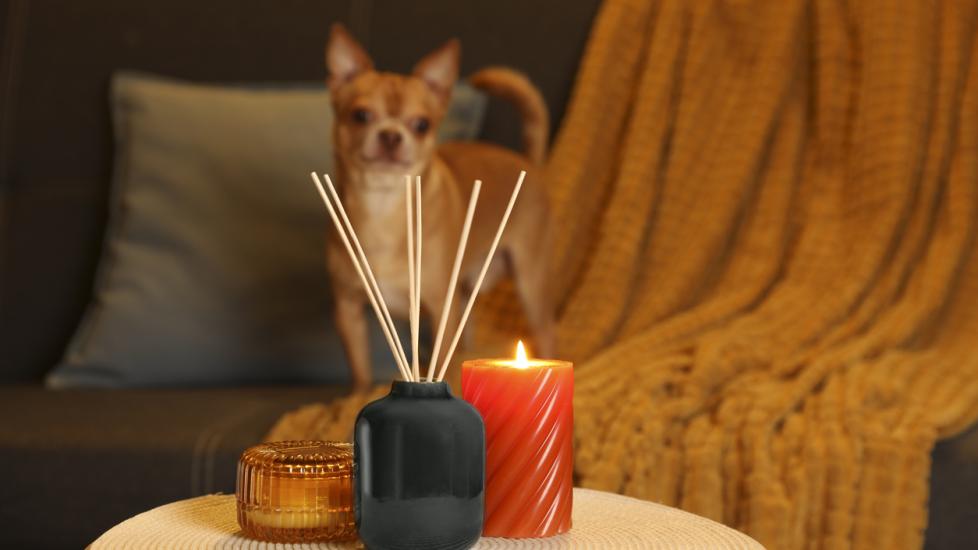
Use only pet-safe, diluted lavender oil diffused in a well-ventilated room. Never apply essential oils directly to your pet unless directed by a professional.
Chamomile and Frankincense Blends
Some calming blends include chamomile or frankincense, which may relax tense muscles and promote emotional grounding. Again, safety is crucial: pets are far more sensitive to aromatics than humans.
Nutritional and Dietary Support
Nutrition plays a major role in mental well-being. Several natural supplements can help regulate mood and reduce stress behaviors.
L-Theanine
An amino acid found in green tea, L-theanine:
- Supports relaxation without drowsiness
- Promotes focus
- Reduces noise-related reactivity
It is commonly used in dogs with fireworks anxiety or chronic restlessness.
Omega-3 Fatty Acids
Omega-3s, particularly EPA and DHA, support:
- Brain health
- Inflammation reduction
- Long-term emotional stability
Pets with underlying inflammatory conditions, cognitive decline, or chronic stress may particularly benefit.
Probiotics and Gut-Brain Support
The gut and brain are deeply connected. Probiotics formulated for pets may improve:
- Digestive comfort
- Stress resilience
- Behavior regulation
Emerging research suggests gut microbiome balance may play a role in anxiety expression.
Behavioral and Environmental Remedies


Natural remedies aren’t only consumable supplements—environmental and behavioral strategies are equally important.
Weighted or Calming Wraps
Products like snug-fitting vests gently apply pressure, similar to swaddling a baby. Benefits include:
- Reduced reactivity
- Enhanced security
- Support during storms or fireworks
Sound Therapy
Soft classical music, white noise, or specially designed pet-calming tracks can:
- Mask triggering sounds
- Slow heart rate
- Encourage rest
Enrichment and Predictable Routines
Mental stimulation helps relieve anxiety by giving pets an outlet for energy and stress. Examples include:
- Food puzzles
- Snuffle mats
- Regular training sessions
- Consistent mealtimes and walks
Routine creates predictability, which is essential for anxious pets.
Safe Spaces and Comfort Zones
Creating a designated safe space gives stressed pets a place to retreat. Include:
- A soft bed
- Familiar blankets
- Toys or comfort objects
- Low lighting
For cats, vertical spaces like shelves or trees often reduce anxiety.
Flower Essences and Homeopathy
While scientific evidence varies, many pet guardians and some holistic veterinarians see positive results using gentle vibrational remedies.
Bach Rescue Remedy for Pets
A popular alcohol-free formula, it is often used for:
- Sudden stress situations
- Travel
- Vet visits
- Adjusting to new homes or people
Though mild, it may take consistent use to see results.
Homeopathic Calming Remedies
Some homeopathic blends target symptoms like fearfulness, trembling, or oversensitivity. Work with an experienced practitioner to ensure proper selection and dilution.
How to Choose the Right Natural Remedy
Identify the Type of Anxiety
Different triggers may require different approaches:
- Separation anxiety: behavior training + CBD or L-theanine
- Noise phobia: calming wraps + lavender + sound therapy
- General stress: chamomile + routine changes + enrichment
Start with the Least Invasive Option
Begin with environmental adjustments before introducing supplements.
Consult Your Veterinarian
Even natural remedies can interact with medications or existing conditions. A veterinarian can:
- Recommend proper dosing
- Review safety considerations
- Suggest lab testing if needed
Monitor Your Pet’s Response
Keep a journal to track:
- Triggers
- Behaviors
- Improvements
- Side effects
Adjust as needed, and remember that consistency matters.
When Natural Remedies May Not Be Enough
Natural options work best for mild to moderate anxiety or situational stress. You should seek professional support when:
- Anxiety disrupts daily life (refusing to eat, injuring themselves, extreme destructive behavior)
- Fear responses escalate instead of improving
- Multiple remedies show little effect
- Anxiety stems from pain, illness, or cognitive decline
In some cases, a veterinarian or veterinary behaviorist may recommend combining natural remedies with prescription medication and behavior modification training.
A Practical, Pet-Parent-Friendly Toolkit
To help you get started, here is a simple framework for supporting your anxious pet:
Step 1 — Observe and Identify Triggers
Noise? Visitors? Leaving the house? Other animals?
Step 2 — Create a Safe Environment
Provide predictability, enrichment, and a comfortable retreat.
Step 3 — Introduce a Natural Remedy Gradually
Begin with:
- L-theanine for daily support
- Lavender aromatherapy for home environments
- CBD for situational or recurring stress
- Chamomile tea (pet-safe) for mild nightly calming
Step 4 — Combine with Positive Reinforcement Training
Reward calm behaviors, teach independence, and practice desensitization for triggers like doorbells, car rides, or grooming.
Step 5 — Reassess Every Few Weeks
Natural remedies work cumulatively and subtly. Consistency and patience are key.
The Bigger Picture: Your Pet’s Emotional Health Matters
Pets rely on us for safety and stability. When we proactively address their emotional needs, we not only reduce anxiety—we strengthen our bond with them. Whether you use herbal supplements, aromatherapy, dietary support, calming tools, or training-based strategies, the goal is the same: helping your pet feel secure, balanced, and understood.
Natural remedies for pet anxiety and stress are powerful tools when used knowledgeably and responsibly. With awareness and compassion, every pet parent can create a calmer, happier life for their animal companion.